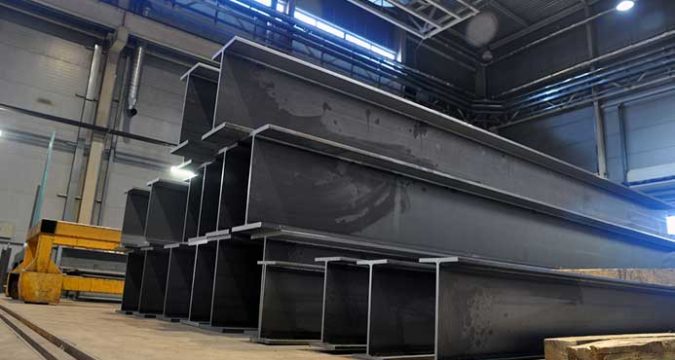
Stainless steel continues to be applied in different types of piping systems. Its qualities support consistent performance in industrial, commercial, and residential environments. From handling pressure to resisting contamination, stainless steel covers a wide set of expectations. For those involved in construction or mechanical works, it is often selected over alternatives.
Recyclability:
Once stainless pipes reach the end of their active life, they may be collected and reused in future production. The ability to recycle the material supports overall waste reduction and material recovery. Stainless pipe suppliers may also offer pipes made from recycled content in suitable conditions.
Durability in different settings:
Stainless steel is known for its strength and consistency under various operating conditions. It handles temperature shifts and exposure to certain chemicals or fluids. In outdoor or humid areas, stainless pipes remain stable without breaking down. This makes them suitable for refineries, water treatment plants, and manufacturing units.
Corrosion resistance:
One reason stainless steel is applied in piping systems is its resistance to rust and corrosion. This feature supports longer service in environments where pipes meet moisture or aggressive substances. The material contains chromium, which builds a natural layer on the surface. This layer keeps the inner structure unaffected during regular or extended use.
Hygiene and safety:
In industries such as food production, pharmaceuticals, and clean water supply, stainless steel pipes are preferred due to their hygiene support. The inner surface does not hold residues or react with the substances passing through it. This reduces the chance of contamination. Pipes are also easy to clean during inspections or routine flushing.
Strength-to-weight balance:
Stainless steel pipes provide strength without carrying extra bulk. Their strength-to-weight ratio makes them suitable for both fixed and movable installations. Pipes can handle internal pressure and mechanical impact without bending or cracking easily. This reduces the risk of unexpected leaks or replacements.
Reduced maintenance:
Compared to certain materials, stainless steel piping involves fewer replacements and minor adjustments. Fittings stay in position, and the pipe surface does not deteriorate quickly. This results in less disruption during system checks or upgrades. The material is also compatible with many standard connection parts, which supports quicker adjustments when necessary.
